Getting locked out of your car is one of the most stressful things that can happen on a normal day. You could be late for work, standing in the rain, or stuck in a parking lot with no clue what to do next. The first thing most people worry about is how to get back inside without breaking a window or damaging the car door. The good news is that a trained auto locksmith can open your car without causing any damage.
Auto locksmiths use specialized tools and techniques to open car locks without applying force. This guide walks you through exactly how they do it, what tools they use, and why calling a professional is always the smarter move over trying to handle it yourself.
Why Forcing a Car Lock Open Is Not a Good Choice
Trying to open a car yourself without the right tools almost always causes damage. Many people try using a coat hanger, a screwdriver, or even a credit card to slide between the door and the frame.
These methods can scratch your car’s paint, bend the door frame, or damage the rubber seals around the window. Some cars have electronic locking systems, and forcing them can trigger the alarm or permanently damage the lock mechanism.
A professional auto locksmith in Birmingham has the training and tools to prevent all of this. They know how different car models are built and use the right approach for each one, every single time.
Different Tools Auto Locksmiths Use to Unlock Cars
Auto locksmiths carry a set of professional tools built specifically for car entry. Here are the most common tools used on the job:
Slim Jim or Long Reach Tool
This is a flat, thin metal strip. The locksmith slides it carefully between the door window and the rubber seal to reach the lock rod inside the door. When done correctly, it does not scratch the glass or the car’s exterior.
Air Wedge
This is a small inflatable bag that fits into a tiny gap at the top corner of the car door. When the locksmith pumps it with air, it creates just enough space to insert a long reach rod. This method puts almost no pressure on the door frame, so there is no risk of bending or cracking it.
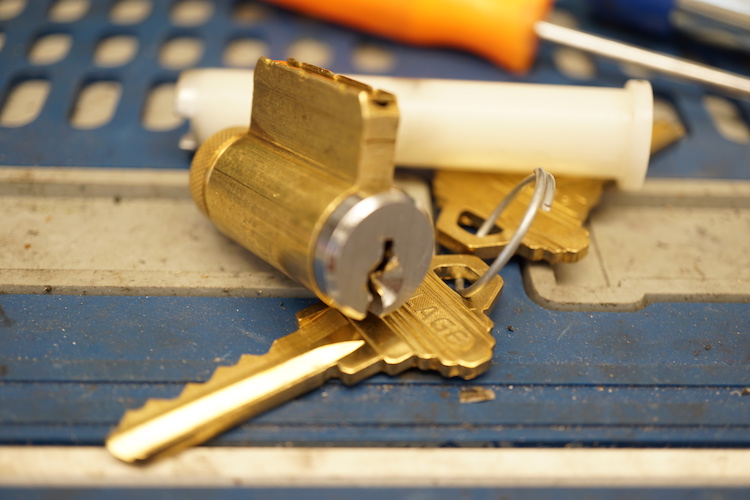
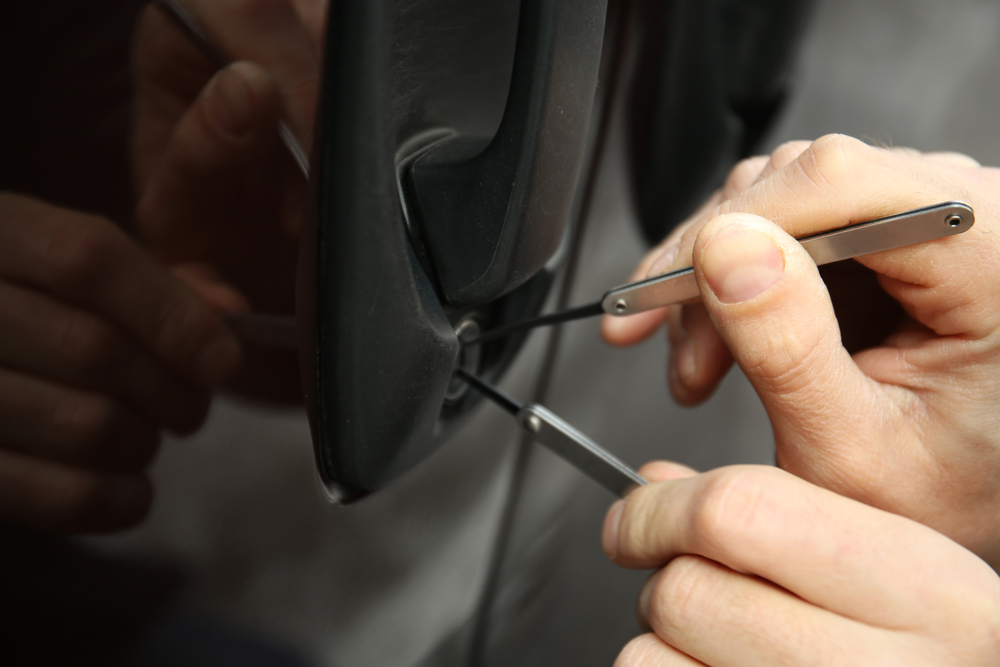
Lock Pick Set
Some locksmiths use traditional lock picks to open certain older car models with physical key locks. Different picks are used to move the small pins inside the lock until it opens. This takes real skill and lots of practice, but causes zero damage when done properly.
Decoder Tools
These are used for newer cars with more advanced locking systems. A decoder reads the lock’s internal components to determine the correct key pattern, which the locksmith then uses to cut a new key or open the lock directly.
OBD Programming Tools
For modern cars that use smart or transponder keys, locksmiths connect to the car’s computer via the OBD port. This allows them to program a replacement key without breaking into the vehicle.
Also Read: How Much Does a Car Key Replacement Cost in Birmingham?
How the Car Unlocking Process Works Step by Step
When a locksmith arrives at your car, the first thing they do is check the type of locking system it has. Different cars require different approaches. Older cars with manual locks are much easier and quicker to handle. Newer cars with electronic systems require more advanced tools and sometimes involve working with the car’s software.
Here is how a standard car unlocking process generally looks:
- The locksmith checks the car’s make, model, and year.
- They look for the safest entry point on the door.
- They gently insert the air wedge into the top corner of the door to create a small gap.
- Through that gap, they slide a long reach tool to press the unlock button or move the locking mechanism.
- The door opens with no scratches, dents, or marks left behind.
The whole process usually takes between 5 and 15 minutes, depending on the car type. A professional locksmith works both quickly and carefully.
Also Read: What Is Car Key Programming and How Does It Work?
What About Newer Cars With Smart Keys?
Modern cars are far more advanced than vehicles from 20 years ago. Many of them use keyless entry, push-button start, or a transponder chip inside the key fob. If you lose a smart key or your key fob stops working, a locksmith without the right equipment will not be able to help you.
A skilled auto locksmith in Birmingham can still handle these situations with ease. They use specialized diagnostic tools to communicate with the car’s computer system and sort the problem out without breaking anything.
Some common smart key problems that locksmiths deal with include:
- The key fob battery dies, and the backup entry option does not work
- The transponder chip inside the key gets cracked or damaged
- The car stops recognizing the key after a software update
- The key fob gets lost or stolen and needs to be fully deactivated
In all of these cases, calling a trained locksmith is the fastest and most affordable solution.
Does the Car Actually Stay Undamaged?
This is one of the most common questions people ask, and the short answer is yes if a professional unlocks the car. Auto locksmiths undergo rigorous training and spend many hours practicing before they work on a real car. They know how much pressure to apply, where to insert tools, and which areas to avoid entirely.
Not everyone who calls themselves a locksmith is properly trained. It is always important to call a verified, trusted service. A good locksmith will arrive with the right tools, explain what they are doing, and handle your vehicle with care.
Some signs that a locksmith is doing the job properly:
- They take a moment to assess the car before touching anything
- They use professional tools, not improvised ones
- They work with care and do not rush through the job
- They leave no marks, scratches, or dents after finishing
AFA Locksmith Is Here When You Need Us
AFA Locksmith has been helping car owners across Birmingham get back into their vehicles quickly and safely. Our team of trained auto locksmiths covers all makes and models, from older manual locks to the latest smart-key vehicles. When you call us, you can expect a fast response and a commitment to getting you back on the road without stress or damage to your vehicle.